Missed payments in self-storage don’t always mean tenants want to leave. Usually, life just happens: a credit card might expire, a bill gets missed, or someone is simply too busy. How you send that first overdue notice can make the difference between getting paid quickly and turning the account into a bigger problem. Using a clear, consistent template for overdue notices helps your team work more smoothly and ensures every tenant gets the right information on time and fairly.
Here’s a free template that shows what to include, when to send it, and some common mistakes to avoid that could lead to disputes later.
Why the First Past Due Notice Matters in Self Storage
State law determines the timeline for self-storage. For instance, in California, an operator may send a preliminary lien notice when rent has gone unpaid for 14 days. Although other states have different periods, the general principle is that the clock begins with the first missed payment.
That means that the first notice is your best opportunity to collect the amount owed without incurring extra charges; no fees have been added and the tenant still remains a customer. A friendly, specific notice that’s easy for the tenant to act on is paid much more often than one that starts with threats.
What a Past Due Notice Should Include
Keep it short and factual. Every notice should state:
- Include the tenant’s name and their unit number.
- List the original due date and the amount that is still owed.
- Mention any late fee that has already been added, and let them know when the next fee will be charged, following the rental agreement.
- Explain how to make a payment, and include a direct payment link if possible.
- Provide a real contact name and phone number for any questions.
- Clearly explain what will happen next and when, using simple language.
Leave out anything you can’t back up. If your agreement and your state’s statute don’t allow denial of access yet, don’t mention it.
Free Past Due Notice Template
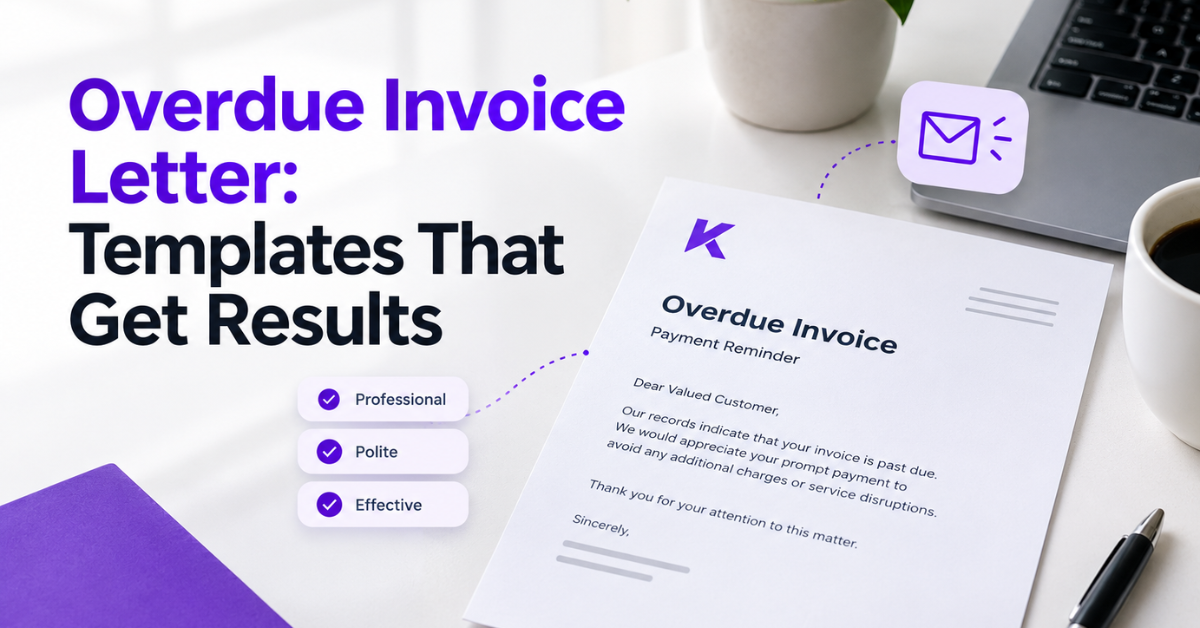
Copy this into your management software, email tool or letterhead and replace the bracketed fields.
Subject: Past due notice for Unit [number] at [Facility Name]
Hi [Tenant first name],
According to our records, the rent for unit [number] at [Facility Name], which was due on [due date], has not yet been received and your amount now owed is $[amount].
You can pay today in any of these ways:
Online: [payment link]
By phone: [phone number]
In person at the office, [office hours]
Your rental agreement provides for a late fee of $[amount] to be charged if the payment is not received by [date]. [Include only if your agreement and state law allow it: Access to your unit may be restricted after [date].]
Thank you if you’ve already made the payment, and in that case please ignore this message. If you’re experiencing difficulties in making the payment, then you should call me on [phone number] and we can go over your options together.
Thank you, [Your name], [Facility Name] [Address] | [Phone] | [Email]
When to Send a Past Due Notice
A straightforward notification schedule is effective for most facilities:
- If it is one or two days after the deadline, send a short reminder by text message or email, on the condition that the tenant has agreed in the rental agreement to receive electronic communication.
- Before the late fee is charged, send the full past-due notice so that the tenant has a fair chance to pay it.
- Once the late fee has been added, you should send a new notice showing the updated balance and specifying the next stage in the lien process.
Ensure your notification timing complies with state regulations. For example, North Carolina does not permit a late fee until rent is at least five days overdue, while California requires a minimum of ten days. Issuing a notice about a fee prematurely may lead to disputes.
Mistakes to Avoid
- You won’t carry out the threats. If the notice states that the account will be sent to collections, then say that. Making empty threats causes tenants to ignore you.
- To keep the rental agreement valid, state any fees not included, such as late fees and other charges.
- Send notices to the previous contact details, and ask the tenants to confirm their phone number and email address at move-in and with each payment.
- The statement written in legal jargon, such as ‘Your account is in arrears pursuant to Section 4’, is disregarded, while ‘Your rent for Unit 214 is $96 past due’ is paid.
What to Do If the Notice Doesn’t Work
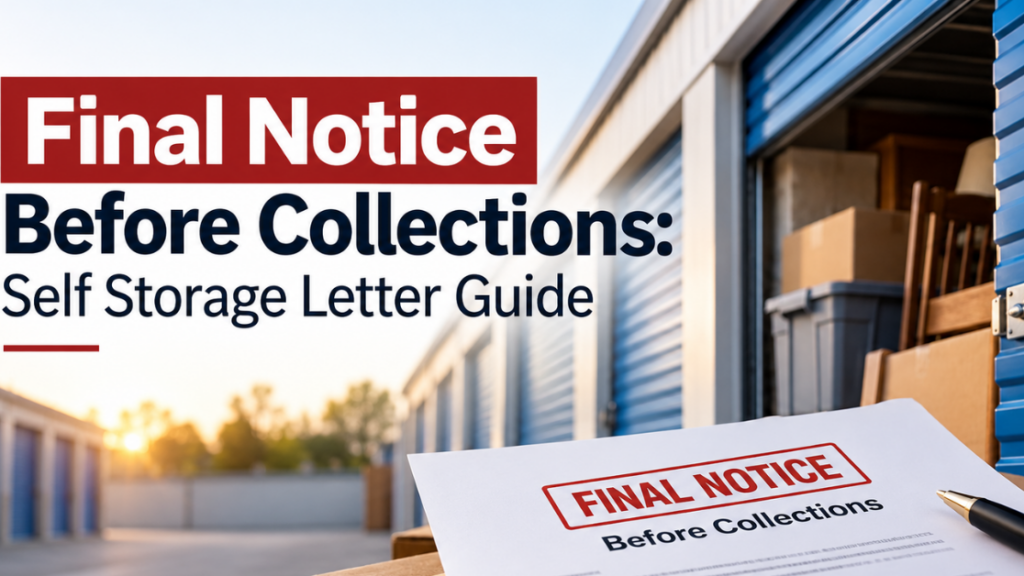
Should the first notice fail to secure payment, the account will then be dealt with in your formal procedure, this involving an overhaul where state law permits it, the lien notice required by your statute, and a final notice before sending it to collections, and each stage must adhere to the dates specified in your rental agreement.
Some balances remain after a lien sale because the auction proceeds usually don’t cover the full amount owed. In such cases, Kollecta’s self-storage collections team will handle the leftover balance through tenant-friendly outreach, and you will only pay when the amount has actually been recovered. Additionally, you may refer to our articles on how to write a final notice before initiating collections and on the five steps you should take before an overload.
Frequently Asked Questions
It's a written reminder that a tenant's rent wasn't paid by the due date. It states the balance, any late fee, how to pay and what happens next.
Send a short reminder a day or two after the due date, then a full past due notice before any late fee applies. Check your state's self-storage statute for grace periods and notice rules.
In most states, yes, if the tenant agreed to electronic communication in the rental agreement. Texting also falls under the Telephone Consumer Protection Act, which requires written consent and an opt-out.
No. A past due notice is a courtesy reminder. A lien notice is a formal notice your state statute requires before you can sell a tenant's property, and it must follow the statute's exact wording and delivery rules.