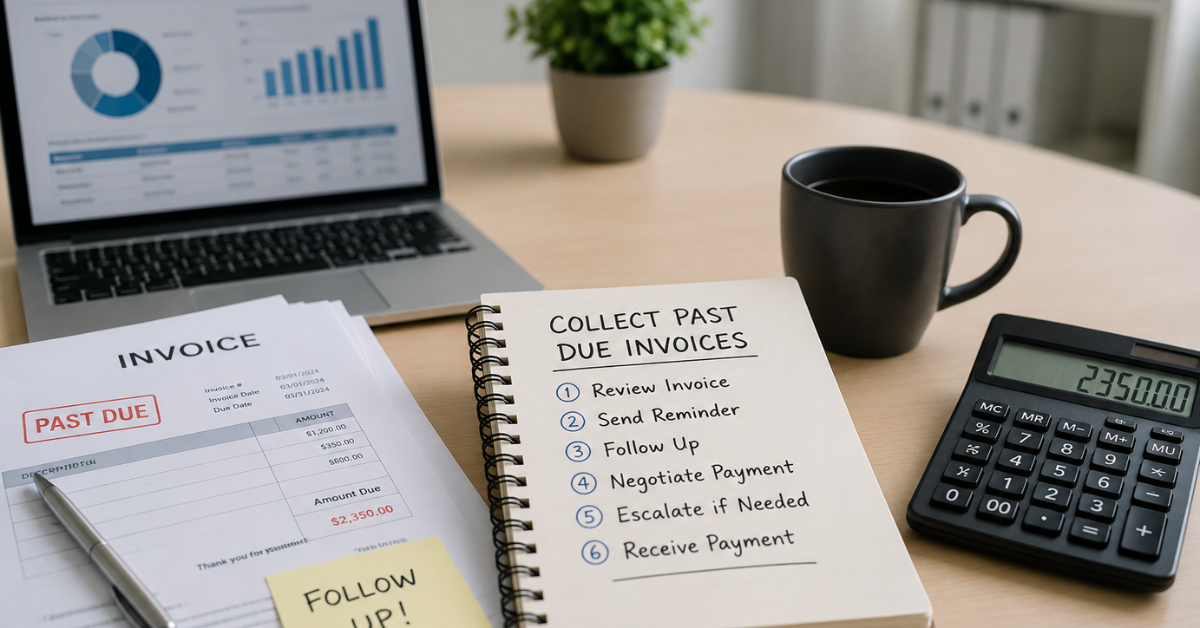
When a business owes another business money, the collection process looks nothing like the consumer debt collection most people picture. There’s no FDCPA governing contact frequency, no validation letters required within five days, and no consumer-protection call-time windows. That doesn’t mean anything goes. It means B2B collection operates under a different set of rules entirely, and understanding those rules changes what you should expect once you place an account.
Here’s what actually happens, step by step, when a B2B collection agency works a commercial account.
The Legal Distinction That Changes Everything
Consumer debt collection is governed by the Fair Debt Collection Practices Act (FDCPA), which sets strict rules on contact hours, disclosure requirements, and communication frequency. The FDCPA does not apply to business-to-business debt. Congress designed it to protect individual consumers, not companies, on the theory that businesses can negotiate on more equal footing.
This gives commercial collectors real flexibility that consumer collectors don’t have: more contact frequency, a more direct tone, and access to business-specific recovery tools like UCC filings and mechanic’s liens that don’t exist in consumer collections.
But “not covered by the FDCPA” doesn’t mean unregulated. Commercial collectors still operate under:
- The FTC Act’s ban on unfair or deceptive practices, which prohibits misrepresentation, false threats, and deceptive tactics regardless of debtor type
- State commercial codes, some of which impose their own rules on commercial collection conduct
- General contract and tort law, meaning harassment, fraud, or tortious interference with business relationships can still create real legal exposure
A reputable B2B collection agency operates within these boundaries by default, not because the FDCPA requires it, but because aggressive or deceptive tactics create legal risk and damage the creditor’s reputation regardless of which law technically applies.
The Process, Step by Step
1. Intake and Documentation Review
Once an account is placed with a third-party collection agency, the first move isn’t a phone call. It’s verification. They review the invoice, contract, or credit agreement to confirm the debt is valid, correctly documented, and legally collectible. This step matters more in commercial collections than people expect: weak documentation is one of the most common reasons a B2B account stalls later in the process.
2. First-Contact Outreach
With validity confirmed, the agency begins direct outreach, typically phone calls first, since phone contact remains the most effective first step in B2B collections, followed by a formal demand letter if the call doesn’t resolve things. The demand letter states the balance owed, the terms, and a clear deadline, and it also builds the paper trail needed if the account escalates later.
At this stage, the tone is firm but professional. A commercial debtor is treated as an accountable counterparty, not a protected consumer, which allows for more direct language and follow-up than would be appropriate in consumer collections, but experienced agencies still avoid threats, false claims, or anything that could constitute unfair or deceptive conduct under the FTC Act.
3. Negotiation and Payment Arrangements
Many B2B accounts resolve here. Businesses often have genuine cash flow issues rather than an unwillingness to pay, and agencies frequently have the authority to negotiate payment plans, partial settlements, or extended terms on the creditor’s behalf. This stage is where preserving the business relationship matters most, since the debtor may still be a customer or vendor worth keeping.
4. Skip Tracing and Investigation
If a business becomes unresponsive or difficult to locate, especially if it appears to have relocated, restructured, or gone quiet, the agency shifts to investigation. This can include tracking down updated contact information, verifying whether the business is still operating, and identifying decision-makers who can actually authorize payment.
5. Escalated Recovery Tools
If standard outreach fails, commercial collectors have options that don’t exist in consumer collections:
- UCC filings, which can secure a creditor’s interest in a debtor’s assets
- Mechanic’s liens, relevant for unpaid work on property or construction projects
- Credit bureau reporting, which can pressure a business to resolve the debt to protect its commercial credit standing
6. Litigation Referral (Last Resort)
If nothing else resolves the account, the agency may refer the file to an attorney specializing in commercial collections. This typically starts with filing a complaint in the appropriate jurisdiction, followed by formal service on the debtor. Litigation is genuinely a last resort: it’s slower, more expensive, and effectively ends any chance of preserving the business relationship. Most agencies reserve it for accounts where the balance justifies the cost and other options have been exhausted.
What Recovery Rates Actually Look Like
Recovery odds in commercial collections drop sharply with time, similar to consumer debt but on a somewhat different curve. Industry estimates put recovery odds at roughly 85% at 60 days past due, falling to around 26% by the one-year mark. Overall recovery rates on commercial claims typically land in the 20% to 40% range depending heavily on debt age and documentation quality. Older accounts, past 90 days, often land closer to 20%, while fresher claims under 60 days can approach 40%.
The pattern is consistent: the earlier a commercial account is placed, the better the odds, and the gap between “placed early” and “placed late” is large enough to meaningfully change the outcome.
What Your Business Should Provide
The strength of your documentation directly affects how quickly and successfully an agency can work your account. Before placing a commercial debt, gather:
- The original invoice, purchase order, or signed contract
- Any credit application or terms agreement on file
- A complete record of your own collection attempts and communications
- Documentation of goods delivered or services rendered, especially for disputed accounts
Thin documentation doesn’t make an account uncollectible, but it slows the process and weakens your position if the account escalates to litigation.
Frequently Asked Questions
No. The FDCPA covers consumer debt only. Commercial debt collection is instead governed by the FTC Act's general prohibition on unfair or deceptive practices, along with relevant state commercial laws.
It varies by debtor responsiveness, but many accounts resolve within the first 30 to 60 days of placement through direct outreach and negotiation. Accounts that require skip tracing or litigation take considerably longer.
UCC filings, mechanic's liens, and more direct, frequent contact are all available in commercial collections but restricted or prohibited under consumer debt rules.
Generally only when the balance justifies legal costs and standard collection efforts have been exhausted. Litigation is slow, expensive, and typically ends any chance of preserving the business relationship, so it's treated as a last resort.
Yes, most agencies are authorized to negotiate payment plans or partial settlements once you place the account, which is often the fastest path to resolution for financially strained but willing debtors.
B2B debt recovery isn't just consumer collections with fewer rules. It's a different process built around a different kind of debtor: one that's a counterparty rather than a protected individual, with its own tools, its own timeline, and its own recovery curve. The earlier a commercial account gets placed, and the stronger the documentation behind it, the better the odds of resolving it without ever needing to escalate to litigation.
Final Thoughts
Kollecta handles commercial collections with the same compliance discipline as consumer accounts, using negotiation, investigation, and escalation only when it’s actually warranted. If you’re sitting on unpaid B2B invoices and want a clear read on your recovery odds, Kollecta’s team can walk through your accounts with you.