If you’re a business owner, freelancer, landlord, or creditor trying to recover money owed to you, you’ve probably come across the option of contingency fee debt collection. It sounds simple: a collection agency or attorney pursues your unpaid debt, and you only pay if they succeed. But before you sign an agreement, it’s worth understanding exactly how this arrangement works, what it costs, and where the pitfalls might be.
What Is Contingency Fee Debt Collection?
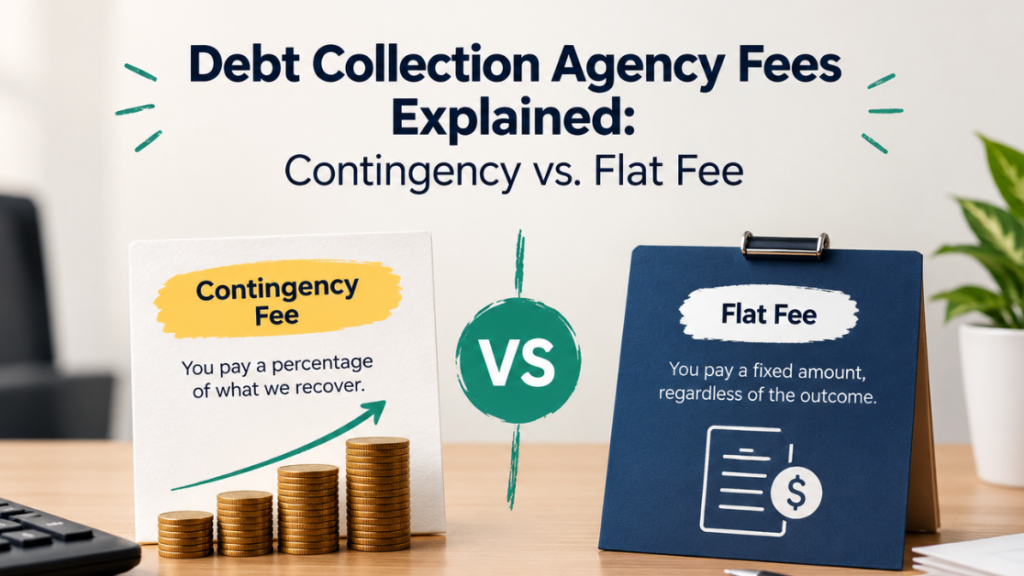
Contingency fee debt collection is defined as a system of compensation for the services of a debtor collection agency, the fee amount being calculated as a proportion of the due sum paid by the debtor rather than as a function of the amount of the work performed of billable hours. If there are no collections, there will be no fee to pay, thus making the collector assume all the financial risks instead of the creditor.
This structure is widely used across various industries, as it creates an incentive for the collector to recover as much money as possible. There are many companies like Kollecta that work on a contingency basis, taking on accounts without charge for anyone who does not want to pay anything upfront.
How the Fee Structure Typically Works
In a standard contingency fee debt collection arrangement, the agency or attorney takes a set percentage of the amount actually recovered. Rates generally range from 20% to 50%, depending on several factors:
- Age of the debt: Older, harder-to-collect debts usually carry higher percentages.
- Amount owed: Larger debts sometimes come with lower percentage rates.
- Type of debt: Commercial debt, consumer debt, and medical debt may all be priced differently.
- Litigation involvement: If a lawsuit becomes necessary, the fee often increases to cover the added legal work.
Before signing, ask for a clear, written breakdown of the fee schedule so there are no surprises later.
Why Businesses Choose This Model
The main appeal of contingency fee debt collection is that it removes the financial barrier to pursuing unpaid accounts. Instead of paying a retainer or hourly legal fees with no guarantee of results, you only pay when money comes in. This makes it especially attractive for:
- Small businesses with limited cash flow
- Companies with a large volume of smaller unpaid invoices
- Creditors uncertain about the debtor’s ability to pay
- Anyone who wants to avoid the upfront cost of litigation
What to Check Before You Sign
Not all agreements are created equal. Here’s what to review carefully before committing to a contingency fee debt collection contract.
1. The Exact Percentage and When It Applies
Confirm that you grasp whether the percentage corresponds to the entire sum obtained or just to the capital (not counting interest and charges). Certain agreements apply different methods for calculating the fee depending on how the account was settled, paid off, or won in court.
2. Additional Costs That Aren’t Covered by the Contingency Fee
Although the contingency fee debt recovery system saves upfront service fees, certain expenses such as court filing fees, process serving costs, and lawyer fees in case the case goes to court may not be covered by the system. Therefore, find out whether these expenses will be billed separately and who must pay for them in case of failure.
3. Duration and Exclusivity Clauses
A lot of agreements have exclusivity clauses, meaning that you are unable to assign the same debt to a different agency while the agreement remains active. You should also consider how long the contract lasts and what happens after a certain period if the agency fails to make any progress.
4. What Counts as “Collected”
Clarify how partial payments, payment plans, and settlements are treated. If a debtor agrees to a payment plan, does the agency get paid a percentage of each installment as it comes in, or a lump sum upfront based on the total settlement?
5. The Agency’s or Attorney’s Track Record
Ask about their success rate with debts similar to yours in size, age, and industry. A reputable provider of contingency fee debt collection services should be able to share performance data or client references.
Pros and Cons at a Glance
Pros
- No upfront cost
- Risk is shared with the collector
- Motivates the agency to pursue the debt aggressively
- Useful for pursuing multiple accounts at once
Cons
- Percentage fees can be significant on large recoveries
- Additional legal costs may not be included
- Exclusivity clauses can limit your options
- Less collector motivation on very small or very old debts
Final Thoughts
Contingency fee debt collection can be a smart, low-risk way to recover money you’re owed, but only if you fully understand the agreement before signing. Take time to review the fee percentage, additional costs, contract length, and the collector’s track record. A well-structured contingency fee debt collection agreement protects your interests while giving the collector a fair incentive to succeed on your behalf.