For years, debt collection followed a straightforward formula: piles of overdue accounts, offices full of agents, and phone calls until someone answered. It was expensive for debt collection agencies and exhausting for the people being called. However, this formula is slowly becoming a thing of the past.
By 2026, artificial intelligence is changing how people are contacted about debts and how agencies communicate. The rules of debt collection are evolving with this shift. Collection practices do not need to be thrown out. They need to be rethought from the ground up. AI can help agencies work more efficiently while treating debtors as human beings.
Why the Old Playbook Stopped Working
Anyone who has worked on the debt collections side knows the figures were bad from the get-go. People answer calls from unknown numbers less often, telephone companies have begun treating telemarketers as spam, and young customers much prefer to answer a text message instead of talking to someone they do not know. Year after year, the same procedure produced fewer conversations.
Simultaneously, regulations became stricter. Regulation F, the CFPB’s rule that took effect in late 2021, imposed more limitations on the phone calls debt collectors could make, in addition to guidelines on using email and text messages when contacting debtors. Agencies thus had to reduce contact rates while complying with strict regulations.
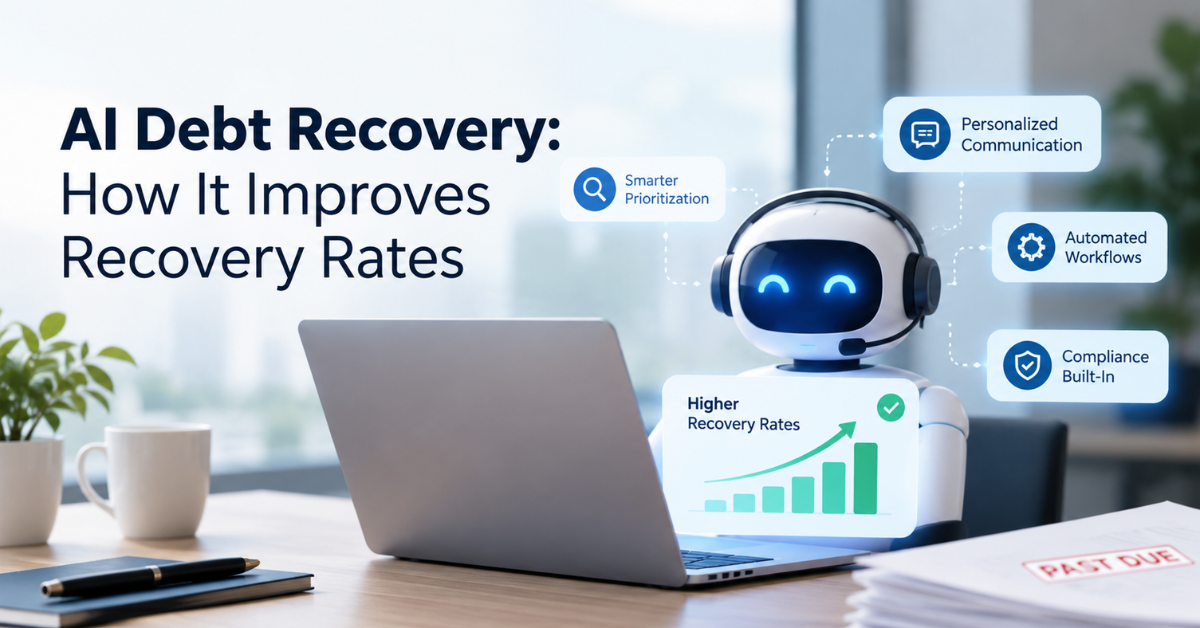
Smarter Prioritization from Day One
The biggest change happens before any interactions begin. Now, machine learning models assign a score to each account based on its repayment feasibility and the best way to collect. The criteria include payment history, past responses to outreach, account age, etc.
Consequently, the work queue is different. A person who has missed two payments after losing a job can receive a gentle reminder with an option to pay later, while a debtor who has remained silent for months must receive harsher reminders. This effectively disproves one of the oldest rules of debt collection: that collection agencies should pursue clients with the biggest balances.
Conversations on the Borrower’s Terms
Artificial intelligence has changed how agents communicate with clients. Different systems learn borrowers’ preferred ways of communicating and when to contact them. One customer opens her email on Sundays, another replies to SMSs at lunch, while a third pays through the agent’s website late at night. The agency adapts timing and communication methods to these habits instead of calling every customer.
Self-service technologies are surprisingly effective. The borrower opens the secure link, sees the amount owed, chooses one of the repayment plans suggested by the agency, and completes the process without talking to a person. Clients prefer this method to a phone call and are more likely to respond positively to their repayment strategies.
Some debt collection agencies like Kollecta are making the most of this shift by combining digital communication with teams of expert managers who step in when the process involves negotiation rather than selling. The main lesson in debt collection is that talking to a customer now, in the way he or she prefers, delivers much better results than regular phone calls.
Compliance Built into Every Step
Compliance used to refer to training sessions, scripts attached to monitors and supervisors checking only a small number of calls weeks after they took place. Now, software can check every interaction in real time. AI systems can count how many times an account has been contacted, prevent contacts outside certain hours, and ensure necessary disclosures and validation notices are sent at the right time.
Speech and text analytics can alert users to dangerous phrases used during a call, such as threats or misleading statements. Supervisors can act in real time rather than detecting issues later during an audit. Today, debt collection rules are enforced by software as well as people.
Empathy at Scale, and Where It Ends
One surprising use of AI in collections is its ability to spot distress. Sentiment analysis is able to indicate that a person is dealing with illness, family death, job loss, or serious financial problems, etc. Then, the account can be put on hold, moved to a hardship program, or referred to a specially trained agent.
The ethical framework of debt collection has always required collectors to treat clients with respect. What is new is the use of AI, which creates uniformity so each customer gets equal treatment regardless of the agent processing the information. However, AI can only help recognize distress signals. The person in charge of the account is still responsible for how to deal with people in hardship situations.
The Risks Nobody Should Ignore
There is always a price to pay for using AI technology. When models are trained on historical data, they risk becoming biased toward certain places or demographic groups. This can happen unintentionally, as AI may flag certain accounts as red flags. If an agency cannot provide a reasonable explanation for an automated decision to follow up on an account, this can damage its reputation and expose it to legal prosecution. Today, consumer protection laws clearly do not apply solely to human decision-making.
Another important issue directly related to AI is privacy. If an online collection agency gathers private data through multiple systems, it is likely that the more connections it uses, the more chances information will leak. If borrowers want to talk to real people, they may find it hard to do so when they rely on AI technologies.
What This Means for Creditors, Agencies, and Borrowers
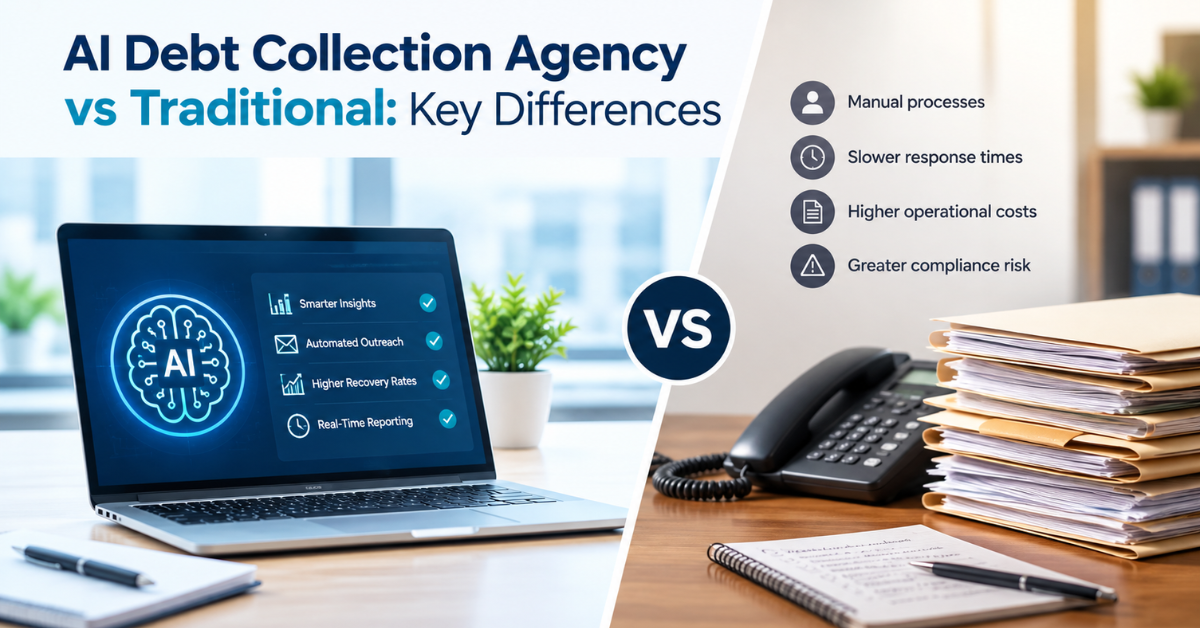
Creditors now have to do more than compare their collection agency partners’ recovery rates; they need to understand how an agency’s data models are checked for bias, how it stores consumer information, and when a human agent takes over from automation. The best agency partners know how to integrate technology and debt collection regulations.
For agencies, the role of a debt collector has changed; software can now automate routine reminders and simple payments, leaving agents to handle more complex and sensitive cases where listening and negotiating skills come into play. Training teams tend to achieve more with fewer employee departures than training non-collections and customer service representatives.
For borrowers, this means debts can be managed with more options and fewer disruptive phone calls, as long as you remember your rights. These rights include validating the debt, disputing it through written communication with the agency, and asking the collection agency to stop contacting them through certain channels.
Conclusion
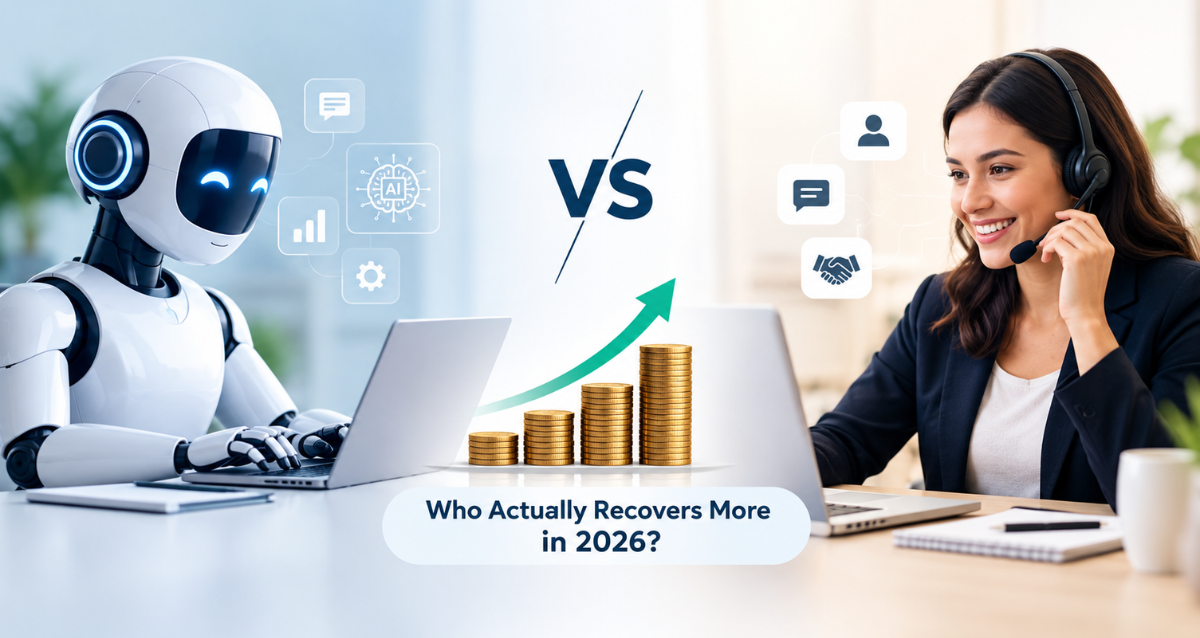
The collection industry will not be fully automated anytime soon, nor should this occur. Instead, hybrid models will evolve in which software regulates timing, channels, or compliance checks while humans handle moments that require patience or judgment. The rules of debt collection in 2026 look less like a script and more like a relationship: personalized, respectful, and aimed at helping customers find ways to solve their debt. Agencies that adopt this mix will recover more money, face fewer claims, and gain something the industry has not had for years – trust.