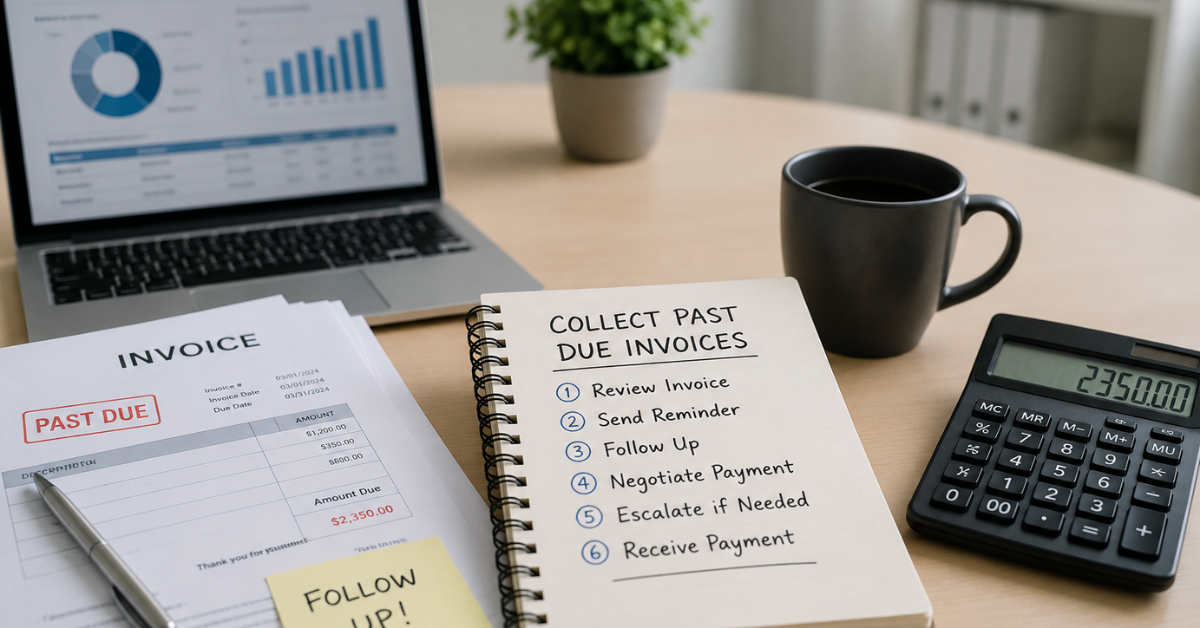
Following up on overdue invoices is one of those tasks that seems to take forever. Consequently, more and more finance departments are opting for accounts receivable outsourcing for continued cash flow without hiring additional employees.
This guide discusses essential components of typical arrangements, their pricing and ways of figuring out if it’s a good fit for your organization.
What is Accounts Receivable Outsourcing?
Passing over part or all of the invoice-to-cash cycle, such as the invoicing, payment tracking, follow up, dispute resolution and reconciliation processes to a third party rather than maintaining it in-house. The provider doesn’t replace your finance team, but becomes an extension of it, operating within your systems and reporting in on aged, disputed and collected balances.
This option is usually chosen by companies when they feel that their sales outstanding is increasing more rapidly than their internal ability to handle it, when their Days Sales Outstanding (DSO) is continually rising, or when the finance team is spending excessive time chasing payments instead of closing the books.
What You Get With Accounts Receivable Outsourcing?
While the scope of services differs from provider to provider, most engagements include a core set of services:
- Invoicing generation and delivery: Generating and sending invoices on your billing schedule, with your brand and customer requirements.
- Payment application and reconciliation: Reconciling receipts with open invoices and maintaining your ledger.
- Credit and collections management: Proactive follow-up on overdue accounts, ranging from a friendly reminder to a structured escalation process.
- Dispute and deduction handling: Investigating short payments or billing disputes so cash isn’t stuck in limbo.
- Reporting and dashboards: Frequent access to DSO, aging buckets, and collection effectiveness.
- Customer communication: Customer specific point of contact on billing related enquiry to maintain relationships.
Some providers also provide credit risk assessment for new customers and can seamlessly integrate into ERPs such as NetSuite, SAP or QuickBooks, with no changes needed on the customer-facing end.
What is the Cost of Accounts Receivable Outsourcing?
Generally there are three pricing models:
- Percentage of collections: A percentage (usually between 1% to 5%) taken from the amount of money that’s collected. This is a good matching of incentives at low volume but can become costly at high volume.
- Per-invoice or per-transaction fee: A flat fee for every invoice that is processed or every account that is managed, which works well for businesses that have a predictable number of invoices.
- Flat monthly retainer fee: A predictable cost for a specific set of services that is popular for businesses that are medium-sized in scope.
There are a couple of additional factors to consider outside of the base fee: volume, level of complexity in your customer base (B2B accounts with long payment terms and disputes are more expensive to deal with than simple recurring billing), the number of currencies/language your collections process should include, and integration requirements (how involved should that integration be with current systems, etc.).
For a point of reference, many small companies pay a couple of hundred dollars each month for the basic invoicing solutions, while enterprise-level, full-cycle outsourcing can cost several thousands dollars per month.
This needs to be balanced against the hidden expense of inaction: increased DSO, bad debt write-offs and the loss of opportunity to staff time focused on collections rather than higher value finance activities.
Is Accounts Receivable Outsourcing Right for Your Business?
Companies having large transaction volumes, a small finance department, or increased needs for billing due to seasonal fluctuations can benefit the most from accounts receivable outsourcing. Such businesses usually do not require a company to outsource its accounts receivable if it is a very small business with only a few clients and a straightforward and consistent payment schedule.
One thing to note: general AR outsourcing firms typically do a great job recovering current and moderately past due accounts, but for accounts that are more than 90 days past due, the skill sets may differ. For that part of the ledger, many AR departments will choose to work with a more specialized company such as Kollecta, a debt collection agency, to ensure the accounts requiring more serious and formal recovery efforts are recovered.
Final Thoughts
You are not required to give away everything when outsourcing your accounts receivables. Most of the time, companies will begin with one piece of the puzzle, collections calls or invoicing, and expand from there. However the relationship is established, the best results are achieved when all partners are on the same page and there is clarity in reporting and procedures.